My Journey Begins – A Path Shaped by Choice or Chance

The life-changing moment that brought me where I am today occurred during the Covid-19 pandemic. I had left Dubai and my construction business just before the pandemic broke and was taking a break in Serbia, planning to move on to Africa after a while to pursue a construction business there. However, life had different plans for me. The borders were still largely closed, and I realized that my search for jobs in Africa would have to be put on hold until the borders reopened.

Finding Freedom in a Lockdown

At the very beginning of the pandemic, trapped within the four walls of my Novi Sad apartment, I felt an urge to create in order to transcend the limitations of the physical space. I turned my place into art lab and this is when the first four paintings from the series “Journey to the Top” came to be, portraying my friend Dolores’ journey to Mount Everest. Except I didn’t call it that, there was no master plan to create a series. It was just about letting loose on canvas because this is something I love to do.

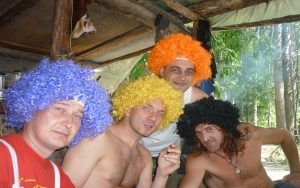
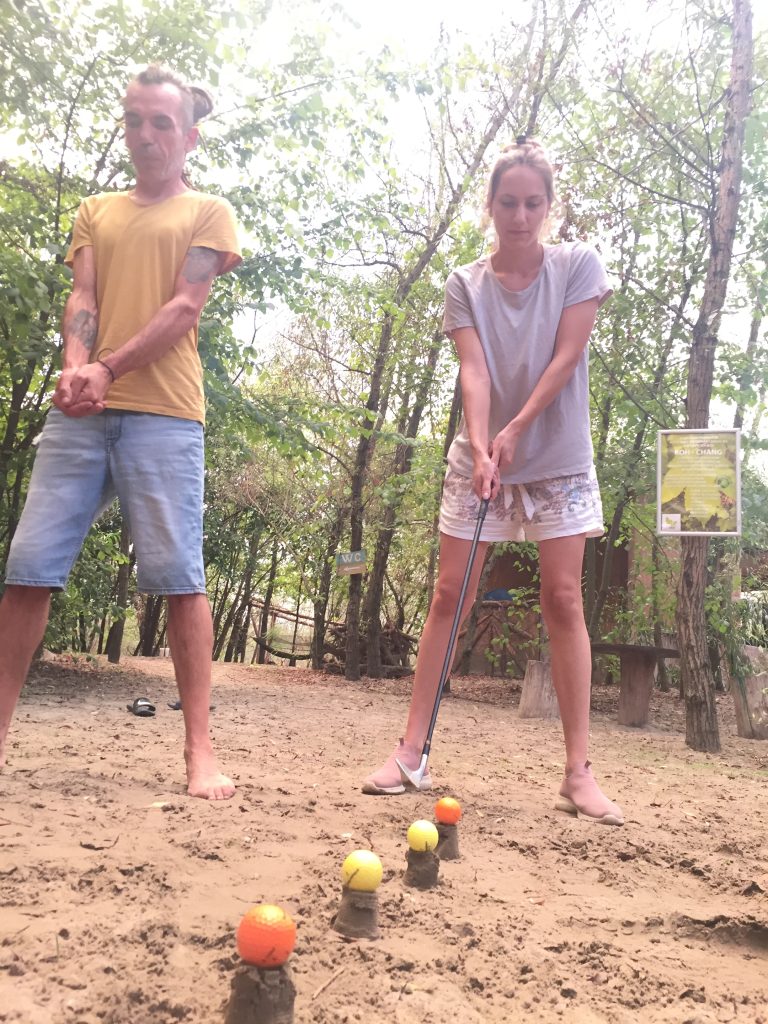
Usually around this time of year, I’d be camping on the Danube with friends. We were looking to escape the city’s weekend quarantines and relax in nature as we do every summer, so we began planning our camping trip. However, our plans took a turn and instead of the usual spot, we found ourselves at a unique location to start the summer — Koh Chang island on the Danube.

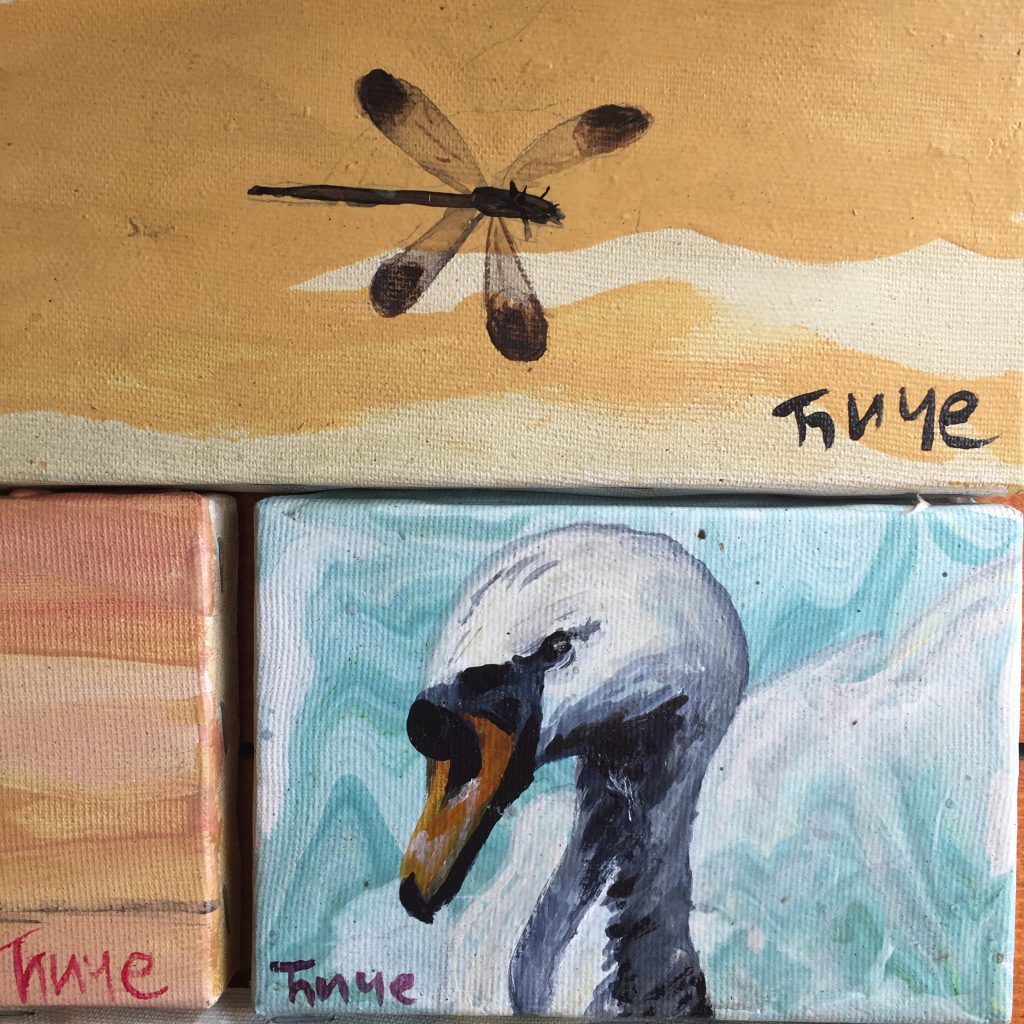
I brought along canvases and paints, looking forward to some relaxed painting in nature. To my delight, others began to gather around and join me. We painted, side by side, a cheerful blend of friends and strangers. That summer of 2020 unfolded as a magnificent masterpiece and turned as one of the most unforgettable summers of my life.

A Plot Twist: Trading Construction for Art

By the end of the summer season my life took a major plot twist. I met my now wife at Koh Chang on Danube, dropped the plan to go to Africa and eventually moved to Belgrade. Towards the end of the year I started a construction business in Serbia but eventually dropped that, too, and realized I was fed up with the construction and needed a change. It felt like before me stretched a blank canvas of life, and there I stood, pondering which strokes to paint upon it. Then it struck me—I want to continue painting, to create art in life! I want it to be meaningful, engaging, vibrant, and bursting with life and colour! And so, here I am – telling you about my transformative artistic journey.

When I decided to do a series Journey to the Top, depicting Dolores’ experience and the mountains of my childhood on canvas, I wanted these works to hold significance, to portray courage, persistence, strength, and an unyielding love for life and the nature.

Art can inspire, right? Through art, we can capture and share stories that empower and uplift us to scale our own Everests. The allure of scaling mountains and pushing ourselves to the limit stems from our innate desire to triumph over nature’s adversity and that is to triumph in life. It is a testament to our resilience, courage, and unwavering spirit.

So, here’s an invite: dive into this transformative artistic journey with me! Join me in conquering the metaphorical and literal mountains that stand in our path. Let us revel in the beauty of nature, acknowledging its capacity to both challenge and inspire us.
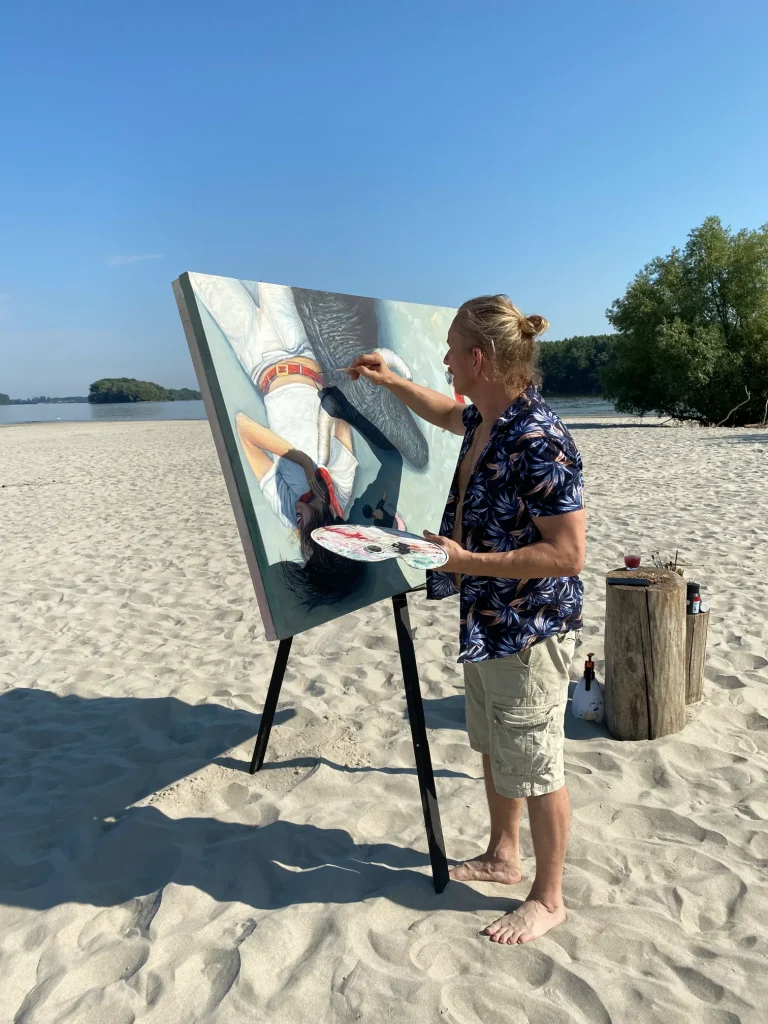
The ubreakable bond between people, art and nature

Dolores at Mt Everest

Years ago, amidst the vibrant cityscape of Abu Dhabi, I encountered a force of nature named Dolores Al Shelleh. Her energy and quick wit were captivating and we instantly connected. We’ve become very good friends since. Her spirit astounds me to this day for she embodies that rare breed of individuals who exude an electrifying presence, breaking free from the monotonous grip of everyday life. Many years after having met Dolores, at a life-changing moment that has brought me where I am today, her story will push me to take the plunge.

The Everest Connection

Art, Friendship, and the Power of Resilience

Dolores is the first Arab woman and the second Serbian woman (born to a Jordanian father and Serbian mother) to scale the world’s highest peak. A year after we first met I wasn’t the least bit surprised when she told me that she decided to conquer Mount Everest as an ambassador of The Sustainable City – the first operational Net Zero Energy City in Dubai, modeled to become an international showcase for high quality sustainable living. I trusted her instantly. Why? Her determination was boundless.

In retrospect, I realize that Dolores’ journey to the Mount Everest marked the beginning of my artistic journey. Painting her ascending to the top propelled me to follow my passion for art and nature, mirroring the courage and determination I witnessed in her ascent. Symbolically, I embarked on my own quest to conquer personal peaks and explore artistic boundaries. And it all began with portraying Dolores` journey.

sunset friends black sky orrange sun

Conquering or Being Conquered

Near Death Experience

Dolores came to Serbia in the summer of 2020 during the Covid-19 pandemic and joined us on the Koh Chang Island on Danube where we escaped from the lock-down. Her story, retold during our Serbian summer, charged my art. It reminded me that life’s about scaling personal heights, every single day. We translated her emotions and moments onto canvas: the beauty, the tension, the near-misses…all captured in the paintings Frozen Beauty, The Near Death Experience, Majestic Peaks.

For two years, this woman who I now call my sister dedicated her life to rigorous mental and physical training. She climbed five mountains as part of the preparation and mind you she had never done it before. Witnessing her unwavering dedication, devotion, and discipline has left an indelible mark on my soul.

I resonated with her story deeply and especially with the part about The Near-Death Experience. Two months into their arduous journey, Dolores and her crew stood only a few hundred meters away from reaching the summit of the world’s highest peak. Tragically, a fellow mountaineer from a previous group had grown exhausted and opted to take a break, intending to catch up with the team later. He was discovered lifeless, covered in a shroud of snow and ice by Dolores and her companions. Imagine being a whisker away from Everest’s peak, and then reality hits—discovering a fallen comrade!

Struggled for Air

Bonds of Friendship

Dolores was seriously rattled by what she saw, but her unyielding spirit kept her pushing. They were almost at their next stop, prepping for the final stretch. Dolores told me about the brutal cold she braved in that snug orange tent. Out of the blue, she felt totally spent and struggled for air. I could picture every moment so clearly while listening to her story. Right when she felt most vulnerable, thinking of the grim possibilities, Everest’s guardian angel, Alex, swooped in. He knew she had “high altitude cough,” thanks to that tricky combo of low humidity and intense cold up there so he hooked her up to an oxygen mask.

Chilling in that cozy tent, Dolores took deep breaths while Alex chatted her up, making sure she stayed alert. Thanks to that oxygen lifeline and Alex’s rescue, Dolores is here, telling her epic tale. Otherwise, Everest might’ve had a different story in store for her.

These paintings are more than colors and strokes! The pieces that unfolded during our extraordinary times together became a testament to the resilience of the human spirit and the transformative power of art. And not only that! They radiate a unique energy – an energy forged through the bonds of friendship, shared passion, and the unyielding desire to create.

Mount Everest Journey

Summer Home on the Danube

A Life on the River

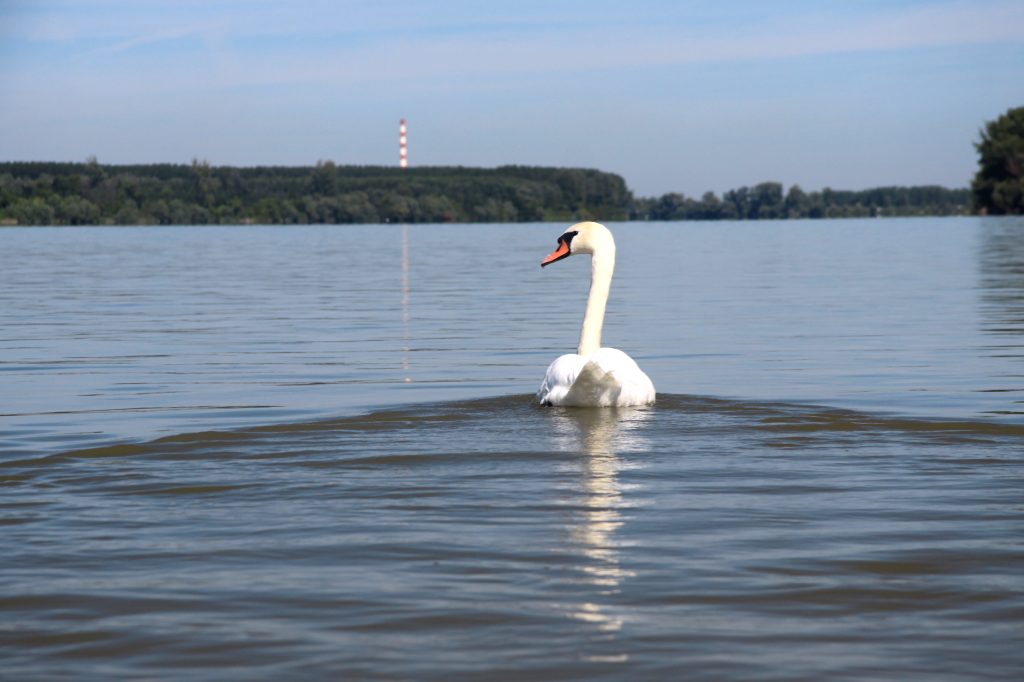
For over two decades, August has been synonymous with the Danube and it has been my summer home – a time of simple pleasures and boundless freedom. This journey began decades ago, during my final year of secondary school, when a small group of friends and I established our summer camp along the riverbank, just across from Sremski Karlovci. Our little boat, worn and dependable, served as our lifeline to civilization, ferrying us back and forth as we embraced the simple pleasures of life on the Danube.
Our camp was located 1,243 kilometers from the place where the Danube meets the Black Sea—a distance that always made us feel both isolated from the world and deeply connected to the timeless flow of this majestic river.

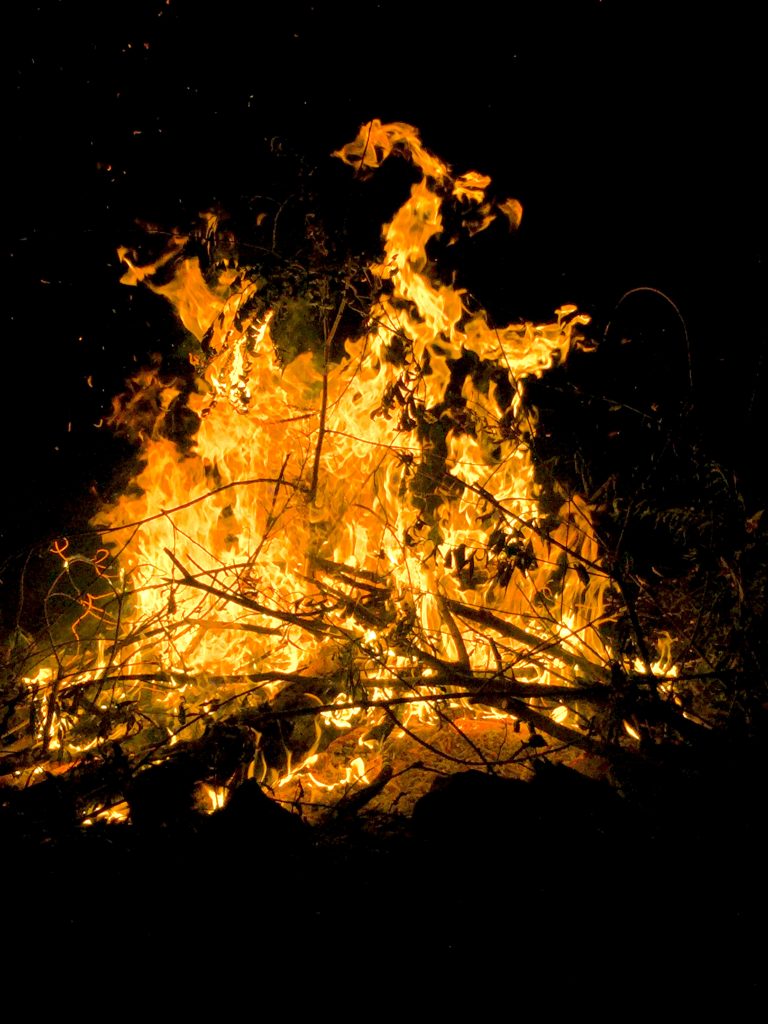
These summers were filled with the kind of adventure that only comes with youth—days spent fishing along the Danube, evenings around crackling campfires, and nights spent gazing at the star-studded sky. The earthy smell of riverbanks mingled with the smoke of our campfires, creating an aroma that still lingers in my memory. The sunsets? They were a breathtaking spectacle, as the sky ignited with fiery hues, making the end of each day feel truly magical.

Sometimes, the Skies Turned Dark

Turning Boys Into Men

It was a time when every task, from catching fish to cleaning dishes, was done with a smile, laughter, and the joy of shared experiences. We would rise with the first light, casting our lines into the river, feeling the cool water brush our hands as we waited for the fish to bite. Evenings were for gathering around the fire, watching the flames dance as stars slowly emerged in the vast sky above.

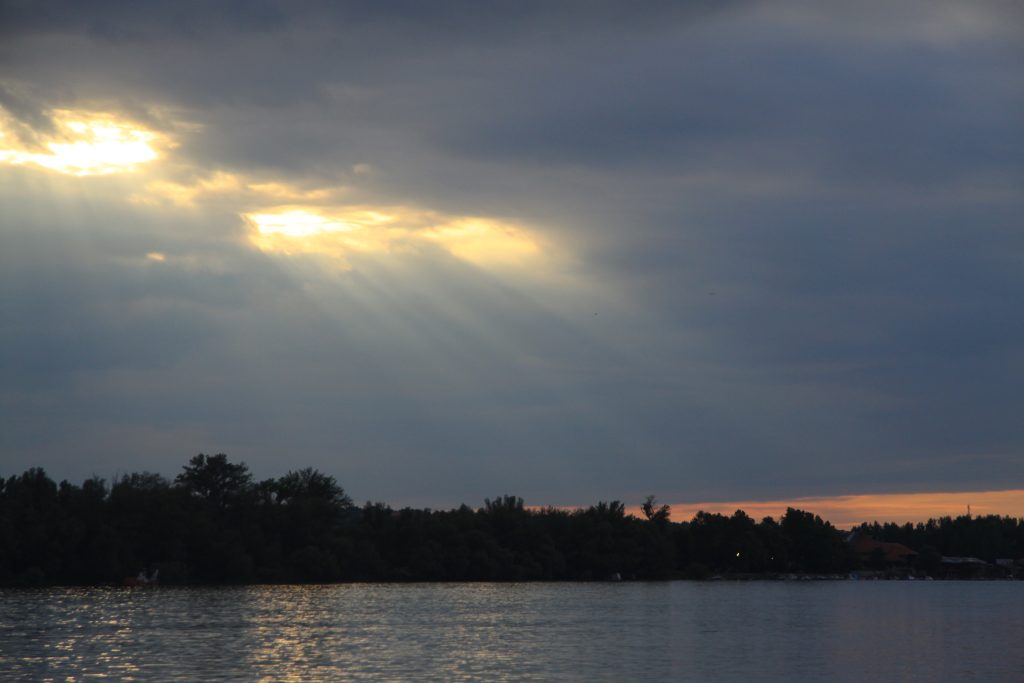
But life along the river was not always gentle. Sometimes, the skies turned dark, and rain would beat down on our tents, turning our small haven into a damp refuge. The wind would howl through the trees, and water would seep into our sleeping bags, leaving us cold but somehow content. And occasionally, strangers with less kind intentions would find their way to our camp, testing the strength of our bonds. Yet, these moments of adversity shaped us, turning boys into men and forging a brotherhood that no storm could wash away. The river tested us, and in those tests, we found a deeper sense of who we were and what truly mattered.

Sunshine through clouds dark sky river before storm

Forging Bonds on the River

Memories of Friendship and Loss

Preparing for our annual summer retreat on the Danube involved more than simply arriving at the riverbank in August. Several trips to the river earlier in the year were necessary to clear the overgrown brush that had taken over the camp during spring and summer. The buzz of saws and the rhythm of our collective effort filled the air as we repaired or rebuilt the small shelters we had crafted over the years. With each visit, we felt the pull of the river’s currents and the promise of another summer spent under the open sky, where time seemed to stretch like the waters before us.

As the years unfolded, our group began to dwindle, much like the river’s ever-changing banks. Some of us found ourselves bound to jobs that kept us away in August, while others embraced the responsibilities of family life. The loss of one dear friend left an indelible mark, as profound as the river’s currents. When we scattered his ashes over the Danube, it felt as though a part of our shared history had been carried away on the water. After 25 years, only two friends remain steadfast in their commitment to join me on the river’s edge each August.

And it wasn’t just our group that changed over the years.

The Birth of Karlovačka Ada

The Creation of Island

The Danube, a dynamic force of nature, transformed too, continuously reshaping its banks. Over the years, we moved our camp three times, driven by the river’s high water levels that gradually swallowed the old shores and created new ones. The Danube has always been a symbol of both creation and destruction. With each shift, we adapted, finding a new place to call our summer home. These moments of change, moving from one camp to another, became part of our rhythm, connecting us even more deeply to the natural world and to each other.

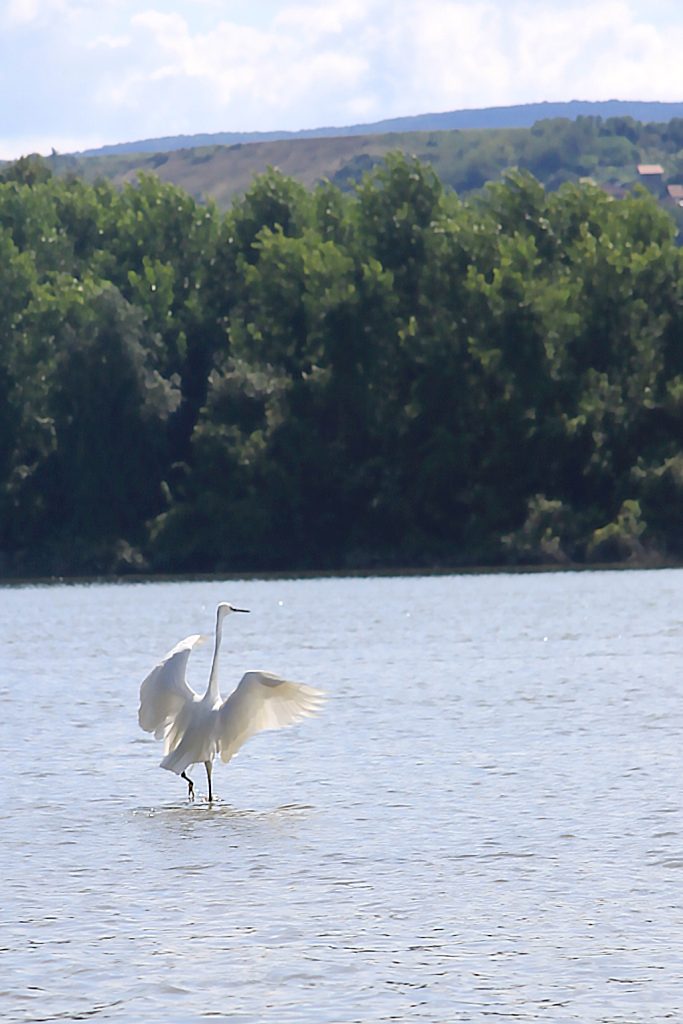
Two decades ago, during one of these shifts, a new island began to take shape. We witnessed the rise of Island Karlovačka Ada, emerging two kilometers upstream from our original camp. At first, we didn’t give it much attention, but in recent years, it captured our interest. Initially, it was just a pile of sand, but over the years, grass began to take root, followed by willow and poplar seeds carried by the wind from nearby forests. These seeds grew into dense brush, which eventually transformed into a lush forest. Birds took up residence in the trees, while the shallow, sandy shore became a safe haven for young fish, hiding from predators.

This was Karlovačka Ada—an island in the middle of the Danube stretching a kilometer long, with a shoreline that sloped gently into the Danube’s cool embrace. By summer, when the river ran low, a golden beach emerged, framed by trees that offered shade from the relentless sun. In the evenings, the sky blazed with vibrant colors as the sun dipped below the horizon. The island felt like a hidden gem, a sanctuary born from the currents of the river.

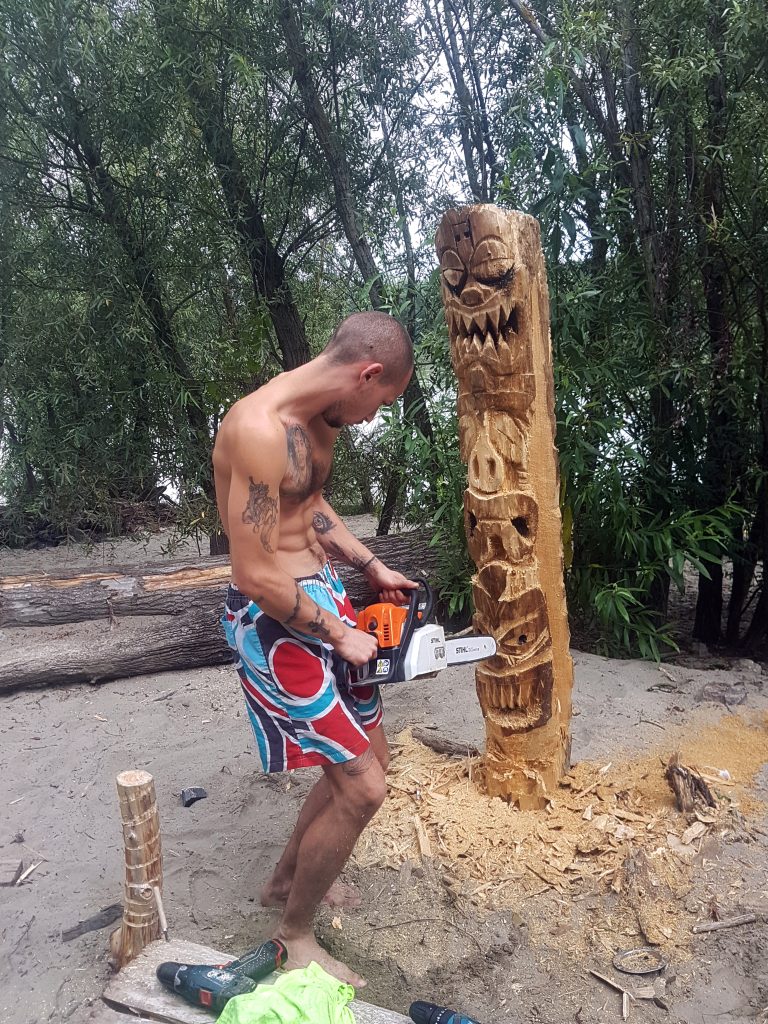
As word spread, Karlovačka Ada became a gathering place for those seeking the simplicity of nature, away from the bustle of daily life. A group of enthusiasts organized a music festival there in harmony with the natural environment. They built stages and most of the structures from materials found on the island itself—no trees were cut down, but instead, the island’s natural beauty was preserved and celebrated. For three years, the festival brought a pulse of life to the island. Karlovačka Ada soon became known as “Serbian Thailand” or “Serbian Maldives” for its natural beauty, particularly on the Upper Beach, also known as Koh Chang Beach. My Summer atelier is located n that beautiful spot.

A Summer of Unity

Life on Karlovačka Ada During the Pandemic

In 2020, the COVID-19 pandemic dramatically altered the course of daily life for everyone. The world seemed to stop, and so did the flow of normal life. But the Danube kept moving, and so did we. Karlovačka Ada, once a beloved summer retreat, transformed into a refuge, offering an escape from the chaos and a chance to reconnect with the simplicity of nature.

I set off for the Danube earlier than usual that year, arriving in mid-June. Instead of heading to our usual camp, I crossed over to Karlovačka Ada, where the pulse of life beat among the trees and along the sandy shores of the island. The annual music festival, which once drew large crowds to Koh Chang Beach, was canceled, leaving behind an island stripped down to its essence—a place where nature thrived, and people gathered not for entertainment, but for the peace and tranquility that only wild places can offer.

For three months, I lived on the island, surrounded by old friends and new acquaintances—people who, like me, sought solace in the gentle rhythm of the river and the promise of open skies. It was a summer unlike any before. The island became a microcosm of unity, fostering empathy, understanding, kindness, and a generosity of spirit that I hadn’t seen in years. We lived in harmony with each other and with the natural world around us. We shared stories, food, and laughter, finding joy in the simplicity of life under the open sky.

The Rhythm of Life on the Danube

Simple Joys and Everyday Adventures

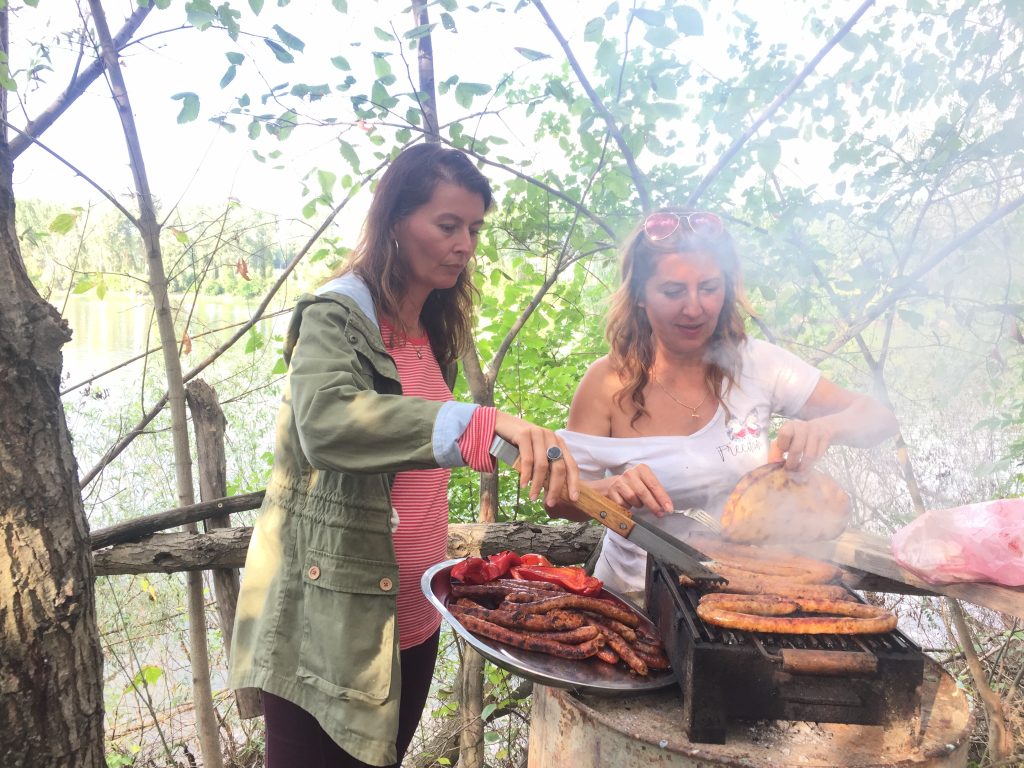
Life on Karlovačka Ada was simple, yet incredibly fulfilling. We cooked over open fires, the scent of grilled fish mingling with the crisp evening air. While mindful of the lockdown restrictions, we worked side-by-side to gather supplies from the mainland, our boats cutting through the water like a thread connecting us to the outside world. Afternoons were spent swimming in the cool Danube River, allowing the current to wash away our worries, while evenings brought the warmth of campfires and long conversations under the star-studded sky. There was a sense of togetherness that I hadn’t felt in a long time.

Mornings on the island were truly magical. Every dawn, from June to mid-July, the island came alive with the sound of thousands of birds singing in harmony. As the first rays of sunlight touched the horizon, the air would fill with the symphony of birds welcoming the new day. Karlovačka Ada, part of the Koviljsko-Petrovaradinski Rit, is a sanctuary for wildlife, nestled within a protected ecological zone. The island is home to countless species of migratory birds, whose melodies greeted each new day. Is there anything more beautiful than being awakened at dawn by the symphony of birdsong? Close your eyes for a moment and imagine it.

Finding Peace and Reflection on the Danube

That summer wasn’t just an escape from the pandemic; it was a return to something essential. The river, the trees, and the sky became our constant companions, reminding us that no matter how chaotic life becomes, there is always solace to be found in nature. On the island, I found the space to breathe, to listen to the rhythm of the water, and to reconnect with the things that truly mattered. On the island, I found love of my life.The island served as a mirror, reflecting back the simplicity I had lost in the rush of daily life.

That summer fostered a deeper sense of reflection and introspection. As I spent those months on the island, I reconnected with nature and rediscovered my own creative spirit.  While art would become a more central part of my journey later on, it was during those quiet days on Karlovačka Ada that I first felt the stirrings of something profound. The beauty of the island, the sense of peace it brought, and the enduring friendships and collaboration forged during that time all planted the seeds for the creative transformation that was to come.

The Power of Research: Creating Paintings of the Bull Civilón

on this black and white image Hamingway writer with smile on face sitting on grass near bull and touching bull near horns

“The journey of artistic transformation began with a simple decision: to dedicate myself to the creation of art. This exploration led me to the story of Civilón, a bull whose fate became a poignant symbol of the war’s tragic consequences.”

Every Journey Begins with a Decision

Every journey, including the creation of the series of paintings “Civilón – The Bull Who Loved to Eat Flowers”, began with a crucial decision. For me, it was the choice to transform my life through the power of art. The decision to become an artist wasn’t made overnight. It was step-by-step that required careful planning, finishing my current projects, choosing place where I would make art, organizing my household budget and organizing finances for art project. With the preparations out of the way, I could fully devote my time to creating art.

Once decision was made, the next challenge was creating sketches – selecting the subject, technique, and color palette that would define my artwork. That process lasted for a while and is an integral part of the entire artistic engagement – just as much as the actual process of painting. The journey of creating a series of large size paintings that would become “Civilón – The Bull Who Loved to Eat Flowers” began three months before any paint touched the canvas.

I knew I needed a narrative to fuel my inspiration and lead to a body of work that carried not just aesthetic value. This concept came from the true stories behind the children’s book Ferdinand the Bull and Hemingway’s tale of bullfighting and my painting in “Death in the Afternoon”. What unfolded was a shift in perspective that shaped my vision for the series.

A painting titled 'Death in the Afternoon' from the series 'Civilón – The Bull Who Ate Flowers' depicts a toreador in an ornate golden suit standing in front of the lifeless bodies of three bulls hanging from chains. A pool of blood beneath them symbolizes the transition of their souls to the universe. The scene captures the silent clamor of the slaughterhouse and the tension of the upcoming battle.

When I first started painting, I questioned whether people would truly understand or connect with the visual narratives I was putting out into the world. Skepticism and uncertainty often clouded my thoughts. It felt like uncharted territory, a realm where vulnerability and creativity collided. Despite the initial hesitation, there was an undeniable inner pull compelling me to create, to externalize the vivid images swirling in my mind.

In those quiet moments, amidst the strokes and blending of colors, I’ve taken the time to reflect inward. It’s been a deliberate process of asking myself challenging questions, exploring the mental battles, and extracting raw, unfiltered honesty. This introspection has, in turn, become the foundation for conceptualizing my art and gave me the confidence to push forward.

Now, dividing my time between Serbia and the UAE, I build connections through art. My passion lies in creating collaborative art and large-scale figurative paintings inspired by real-life events.

The Research Journey

Delving into the Past of Civilón

Curiosity guided this project and research became its foundation. After initial month of research, I spent another two months sketching, preparing materials, and planning the paintings. While the physical act of painting took over, the research was always in the background, influencing the decisions I made.

At first, I just wanted to paint bulls. But something was missing – a story that could give context and life to the artwork. I wanted to create art that told a story. My initial inspiration came from two sources:The Story of Ferdinand”, the beloved tale of a gentle bull who prefers flowers rather than fight, and Hemingway’s renowned “Death in the Afternoon”, a nonfiction brutality of bullfighting. These two works set me on a path to discover the story of the real bull Civilón, a bull whose fate mirrored the tragic conclusions of Hemingway more closely than the peaceful end of Ferdinand’s narrative. The moment I discovered Civilón, I knew I had found the subject of my paintings.

Through my research, I uncovered Civilón’s fate during the turbulent times in Spain just before the outbreak of the Spanish Civil War in June 1936. Unlike Disney’s Oscar-winning adaptation of “The Story of Ferdinand”,Civilón’s real-life story took a darker, more tragic turn. The anti-war sentiment that resonated in Spain at the time was just as loud as the anti-war messages we hear today, but those voices were drowned out by the sounds of bombs and propaganda. Civilón, the innocent hero of this story, was unaware of the chaos around him – a symbol of purity caught in the cruel hands of fate.

Exploring Themes

Beyond the Bullring

While researching Civilón’s life, I began exploring the cultural and traditional aspects of bullfighting for the first time. I encountered historical gaps – moments where the details of Civilón’s fate were unclear. Rather than aiming for documentary accuracy, I allowed these blank spaces to play a part during the creation of sketches. My paintings don’t aim to provide a historical documentary but rather offer an interpretation of the story, simplified into essential subjects and emotions.

Civilón’s story led me to explore key themes such as heroism, the ethical considerations of bullfighting, the fragility of life, and the inevitable game of fate. While “The Story of Ferdinand” is about a pacifist bull who, despite being chosen for a bullfight, remains true to his nature, choosing peace over aggression. Hemingway’s work dives into the tragic reality of life and death in the bullring showcasing its intersection with death, art, and life.

Hemingway’s work, more than “The Story of Ferdinand”, connected with the tragic reality of Civilón. It brought me closer to the tension between life and death, the peace of Ferdinand’s world versus the brutality of the bullring. My paintings express this tension, portraying moments of confrontation between strength and fragility, life and death.

Shaping the Narrative

The Core Message of the Series

Through my research, I was collecting and analyzing information and gradually synthesizing ideas into basic motifs that captured emotion without distractions. The unknown details of Civilón’s death, a poignant reminder of the unpredictable nature of war and the tragic consequences for innocent lives, are one of the most crucial reasons why I chose to paint it. In one moment, his wounds seemed insignificant as his life was destined to graze on green pastures with the herd of cows. But then war came, and soldiers killed and ate him – a tragic turn of destiny. It’s not clear what army killed him after his pardon in the corrida, but it doesn’t matter. And this is very important for the anti-war message of this series.

Like many civilians caught in war, Civilón wasn’t on anyone’s side, but when war begins, even the innocent are pulled into its horrors. This mystery shaped my first series of paintings and transformed the project into a reflection on the chaos of war, where innocence is often caught in the crossfire. Instead of focusing solely on the bullring, I began to explore broader themes of conflict, examining its impact on both the innocent and the aggressor.

Bringing It All Together

The “Civilón” series marked a turning point in my artistic journey and beginning of new reality. The research behind the Civilón series was an exploration of history, art, and emotion. Historical gaps became opportunities for imagination. Surprising details changed the direction of my work, and deeper themes of survival, conflict, and vulnerability emerged.

As I painted, I was constantly aware of the larger narrative – one that was not just about a bull or a bullfight, but about war, vulnerability, and the human condition. Research served as a powerful foundation, guiding my artistic vision and shaping the profound message of the “Civilón” series. Research was my starting point, but it never define or limited me. It was a tool to build my own narrative.

In the end, my paintings do not just tell Civilón’s story – they ask the viewer to reflect on their own, to consider the ways in which we are all caught in the delicate balance between life and death, war and peace, about how much we are actually able to navigate our life toward the goals we set for ourselves, relying solely on our own strength, without considering the unexpected surprises life might throw at us.

The Artistic and Cultural Debate Surrounding Bullfighting

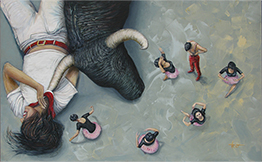
The debate about whether bullfighting is an art form or a brutal sport is complex and multifaceted. Several paintings from series of paintings “Civilion” portrays a delicate balance between a ballerina and a matador, blending grace and strength. Paintings serves as a visual exploration of this controversy. The ballerina symbolizes the bull, her movements embodying grace and power. Her elegance mirrors the fluidity of the bull’s dance in the ring, turning a scene of potential violence into one of beauty and artistry. For a moment, take a short break. Close your eyes, and imagine you are the ballerina standing in front of a matador, vulnerable, with a deep breath, ready for his next move. Now, change your skin one more time, imagine yourself as the bull, feeling the tension and the nearness of death.Which role feels more natural to you? How does it feel to switch between these perspectives? Is there a sense of art in each, is fear a common feeling?

Hemingway's Perspective

Art in the Face of Death

Ernest Hemingway, who loved the thrill of bullfighting, famously written, “Bullfighting is the only art in which the artist is in danger of death.” This perspective elevates bullfighting to an art form, emphasizing the dramatic and perilous dance between matador and bull. Hemingway’s admiration for bullfighting stemmed from his view of it as a profound expression of human emotion and conflict. He believed that the bullring was a stage where life and death played out in a ritualistic dance, reflecting the raw, unfiltered essence of human experience.

In his writings, Hemingway often described bullfighting with poetic reverence, highlighting the matador’s grace and precision as he faced the bull. The matador’s movements, choreographed to trigger specific actions from the bull, were seen as a form of artistic expression. This notion of bullfighting as an art form is encapsulated in large size painting “Dance Me to the End of Fight,” where the matador and ballerina engage in a deadly ballet, their movements echoing the themes of elegance, danger, and artistry that Hemingway so deeply appreciated.

However, the brutality of the real corrida cannot be overlooked. The bull, often weakened by the picadors and banderilleros, faces a matador who aims to deliver the final blow with a sword. This act is not only dangerous for the matador but also a gruesome end for the bull. The blood, the struggle, and the ultimate death are integral parts of the spectacle, making it a deeply polarizing event. Critics argue that this inherent violence and cruelty overshadow any claims of artistry, turning the event into a display of brutality rather than a noble art form.

Carmen Ballet

An Artistic Parallel

Drawing a parallel to the ballet “Carmen,” where toreadors and ballerinas share the stage, this painting invites viewers to see the bullring through a different lens—one of elegance and artistic expression. In “Carmen,” the interplay between the characters mirrors the dance of life and death depicted in this artwork. The delicate movements of the ballerina’s hand create a visual harmony against the intense gaze of the matador, a dance of subtlety and strength.

In the ballet “Carmen,” the story unfolds with themes of passion, jealousy, and tragedy. The characters’ interactions are filled with dramatic tension, much like the dynamics in a bullfight. The toreadors and ballerinas perform with an intensity that captivates the audience, drawing them into a narrative that is both beautiful and heartbreaking. This blend of art and emotion is what makes both “Carmen” and bullfighting compelling forms of artistic expression.

For those who appreciate the beauty of ballet and the intensity of a bullfight, “Dance Me to the End of Fight” offers a unique perspective. It challenges viewers to see beyond the surface, to appreciate the intricate dance between opposing forces, and to reflect on the deeper themes of grace, strength, and resilience.

Contrasting Audiences

Bullfighting and Ballet

The audiences for bullfighting and ballet are starkly different. In a bullfight, the crowd is vocal and emotional, cheering for the matador or calling for the bull’s life to be spared. This raw engagement contrasts with the quiet, contemplative atmosphere of a ballet performance, where the audience’s appreciation is shown through silent observation and applause at the end. Painting “The Art of Danger” highlights contrasting audience dynamics, emphasizing the different ways in which people engage with these performances.

In a bullfight, the audience is part of the spectacle, their reactions fueling the intensity of the performance. The shouts of “Olé!” resonate through the arena, each cheer a recognition of the matador’s skill and the bull’s bravery. This passionate engagement is a stark contrast to the world of ballet, where the audience watches in silence, their emotions conveyed through the stillness of the theater and the applause at the performance’s end. The ballerina’s movements are met with quiet admiration, the audience’s respect for her grace and skill evident in their hushed appreciation.

After the performance, the experiences of the audiences of bullfighting and ballet continue to diverge. Following a ballet, which is typically held in the evening, the audience leaves the theater with a sense of inspiration and serenity. They may gather in nearby cafes, discussing the elegance of the dancers over a glass of wine, their hearts lightened by the beauty they witnessed.

In contrast, the aftermath of a bullfight, often held in the afternoon, is filled with a different kind of energy. The spectators, still buzzing with adrenaline and the visceral excitement of the event, head to local restaurants to enjoy hearty meals, their senses still lingering with the sights, sounds, and smells of the bullring. The blood, the thrill, and the raw display of life and death leave a lasting impression, fueling discussions that are as intense as the event itself.

Bullfighting

A Cultural Tradition

Bullfighting is deeply woven into the fabric of Spanish culture. It is celebrated as a historic tradition, filled with rituals and pageantry that date back centuries. For many, it symbolizes a struggle between life and death, a performance of bravery and skill as it is on painting “Would you Like to Dance Until Death”. Supporters of bullfighting argue that it is an art form, where the matador’s movements are akin to a dancer’s, choreographed to create a spectacle of elegance and precision.

Bullfighting satisfies a primal human instinct for survival and the hunt, an echo of times when hunting was essential for nourishment and survival. The ritual of bullfighting, with its elaborate ceremonies and pageantry, symbolizes the eternal struggle between life and death. Bullfighting, with its life-or-death stakes, as a continuation of ancient traditions, fulfilling primal human instincts of survival and hunting. This tradition resonates with the human psyche, reflects the historical necessity where survival sometimes means that one life had to end for another to continue.

The Brutality of Bullfighting

Art or Brutality? The notion that bullfighting is an art form raises questions about the nature of art itself. Can the beauty of the matador’s movements be separated from the violence inflicted on the bull? Is the risk and danger inherent in bullfighting a necessary component of its artistry? Can art be brutal and violent? These questions challenge our understanding of what constitutes art and whether violence can be an integral part of it.

Critics, however, maintain that the inherent violence and cruelty involved in bullfighting cannot be justified as art – painting “Civilón and Carmelita”. They argue that true art should inspire and uplift, not cause suffering and pain. The brutality inflicted on the bull overshadows any artistic merit, making bullfighting a controversial and divisive practice. This debate continues to spark heated discussions about the ethics and aesthetics of bullfighting.

The debate surrounding bullfighting is contentious. Critics argue that it is a cruel sport that exploits animals for entertainment, while supporters view it as a cultural tradition that exemplifies artistry, bravery, and skill. In regions of Spain, bullfighting has faced bans and subsequent reinstatements, with proponents emphasizing its cultural and artistic value. “Dance Me to the End of Fight” encapsulates this debate, presenting the bullring as a stage for a deadly ballet, where the audience’s reactions range from passionate outcries to silent admiration.

The Brutality of Art

The scars on the ballerina’s back in painting “Dance Me to the End of Fight” are deeply symbolic. They represent the swords thrust into the bull during the second act of a bullfight, which are meant to weaken the bull for the final act. These scars tell a story of struggle and resilience, marking the ballerina as a survivor. So, is it then bullfighting the most brutal form of art? Can art be brutal and violent?

Marina Abramović, a renowned performance artist, often incorporates themes of brutality and endurance in her work. Her performances frequently involved physical pain and self-inflicted injuries, challenging the boundaries of art and the artist’s body. Abramović’s work pushes the limits of endurance, revealing the profound connection between pain, resilience, and artistic expression. In her performances, she has used knives, whips, and even invited the audience to participate in acts of violence against her, leaving her with physical scars. These acts of self-sacrifice and endurance have become integral to her art, demonstrating that brutality can indeed be a powerful element of artistic expression.

Just as Abramović’s scars tell a story of struggle and resilience, so do the scars on the ballerina’s back in “Dance Me to the End of Fight.” These marks are not merely wounds but symbols of the endurance and strength required to face life’s challenges. The juxtaposition of the ballerina’s grace with the brutality of her scars highlights the complex nature of art, where beauty and violence often coexist.

Fine Line between Art and Violence

Painting “Dance Me to the End of Fight” challenges viewers to reconsider their perceptions of bullfighting, highlighting the artistry and cultural significance behind the tradition. By presenting the bullring as a stage for a deadly ballet, this painting underscores the elegance and strength inherent in both the matador and the bull. For anyone who appreciates art, love, and the intricate dance between opposing forces, this piece offers a profound reflection on the beauty and resilience found in struggle.

In summary, the painting “Dance Me to the End of Fight” serves as a powerful commentary on the artistic and cultural debate surrounding bullfighting. It invites viewers to look beyond the surface and appreciate the intricate choreography, the emotional engagement of the audience, and the symbolic scars that tell a story of resilience. Regardless of our personal opinions on whether bullfighting should be banned, the larger question remains: is bullfighting simply a cruel and bloody “sport”, or is it a form of artistic expression that resonates deeply with human experience and tradition? Bullfighting is undeniably woven into the cultural fabric of Spain, and for many, it represents a significant part of the country’s heritage. Is there a way to preserve the artistic and cultural aspects of this tradition without completely cancelling something so deeply ingrained in Spanish identity? To move forward, we need meaningful dialogue that explores sustainable solutions—ones that respect both the cultural significance of bullfighting and modern concerns about ethics and animal welfare.

This issue goes far beyond bullfighting—it reflects a broader challenge facing society today. In a world increasingly divided, we need less polarization and more genuine dialogue. Too often, differing viewpoints are dismissed rather than understood, when in fact, the real progress comes when we engage with one another, seeking common ground rather than deepening the divide.

SHARE