



Curiosity guided this project and research became its foundation. After initial month of research, I spent another two months sketching, preparing materials, and planning the paintings. While the physical act of painting took over, the research was always in the background, influencing the decisions I made.
 At first, I just wanted to paint bulls. But something was missing – a story that could give context and life to the artwork. I wanted to create art that told a story. My initial inspiration came from two sources: “The Story of Ferdinand”, the beloved tale of a gentle bull who prefers flowers rather than fight, and Hemingway’s renowned “Death in the Afternoon”, a nonfiction brutality of bullfighting. These two works set me on a path to discover the story of the real bull Civilón, a bull whose fate mirrored the tragic conclusions of Hemingway more closely than the peaceful end of Ferdinand’s narrative. The moment I discovered Civilón, I knew I had found the subject of my paintings.
Through my research, I uncovered Civilón’s fate during the turbulent times in Spain just before the outbreak of the Spanish Civil War in June 1936. Unlike Disney’s Oscar-winning adaptation of “The Story of Ferdinand”,Civilón’s real-life story took a darker, more tragic turn. The anti-war sentiment that resonated in Spain at the time was just as loud as the anti-war messages we hear today, but those voices were drowned out by the sounds of bombs and propaganda. Civilón, the innocent hero of this story, was unaware of the chaos around him – a symbol of purity caught in the cruel hands of fate.
While researching Civilón’s life, I began exploring the cultural and traditional aspects of bullfighting for the first time. I encountered historical gaps – moments where the details of Civilón’s fate were unclear. Rather than aiming for documentary accuracy, I allowed these blank spaces to play a part during the creation of sketches. My paintings don’t aim to provide a historical documentary but rather offer an interpretation of the story, simplified into essential subjects and emotions.


Through my research, I was collecting and analyzing information and gradually synthesizing ideas into basic motifs that captured emotion without distractions. The unknown details of Civilón’s death, a poignant reminder of the unpredictable nature of war and the tragic consequences for innocent lives, are one of the most crucial reasons why I chose to paint it. In one moment, his wounds seemed insignificant as his life was destined to graze on green pastures with the herd of cows. But then war came, and soldiers killed and ate him – a tragic turn of destiny. It’s not clear what army killed him after his pardon in the corrida, but it doesn’t matter. And this is very important for the anti-war message of this series.

Like many civilians caught in war, Civilón wasn’t on anyone’s side, but when war begins, even the innocent are pulled into its horrors. This mystery shaped my first series of paintings and transformed the project into a reflection on the chaos of war, where innocence is often caught in the crossfire. Instead of focusing solely on the bullring, I began to explore broader themes of conflict, examining its impact on both the innocent and the aggressor.


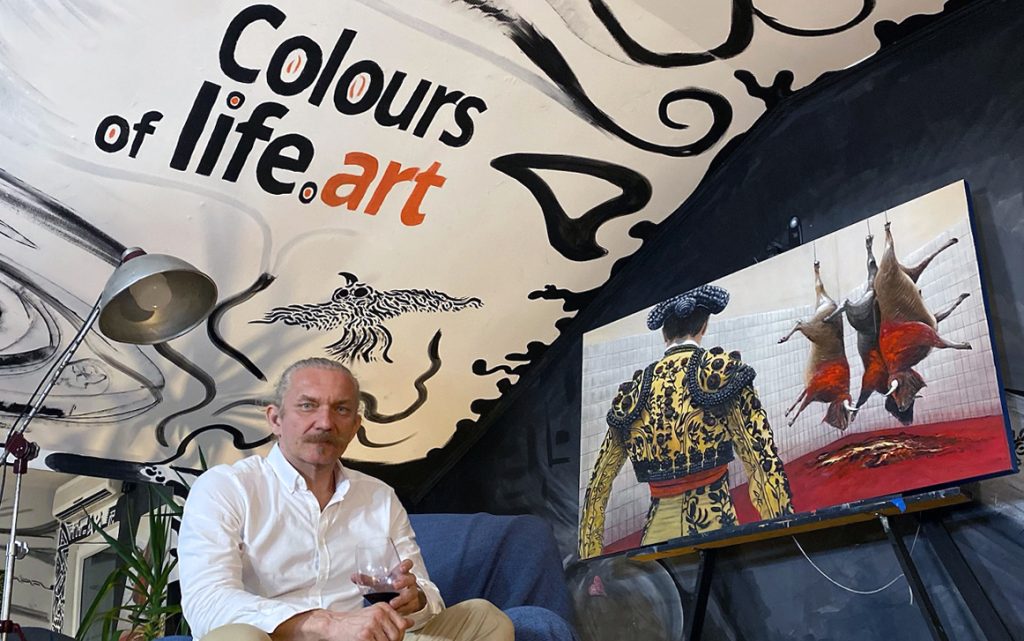
Bullfighting Symbolism in Paintings: Civilón and Hemingway
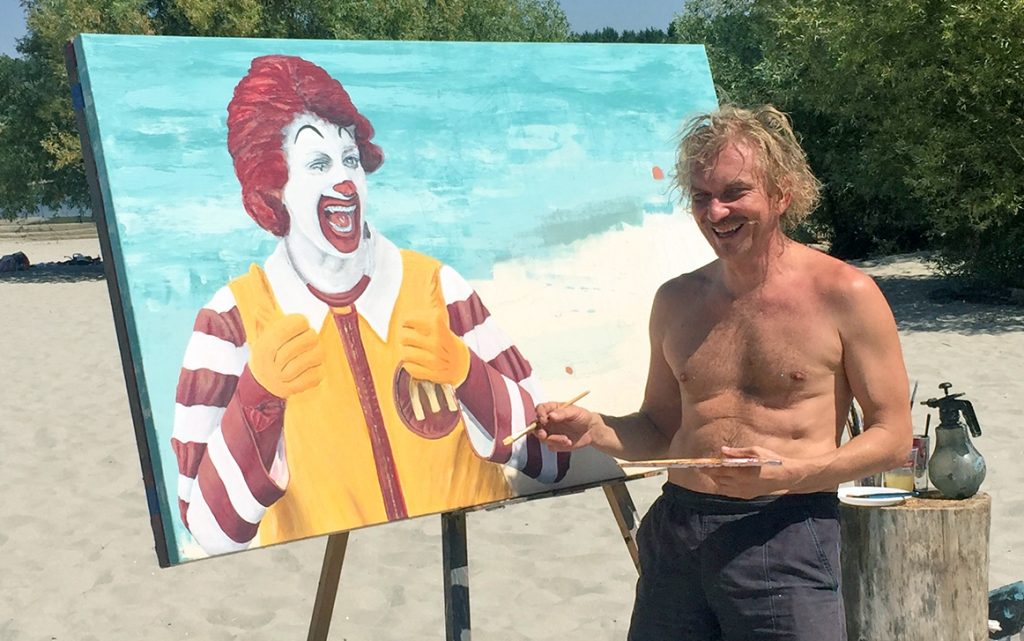
Exploring the Artistic Journey of “Casual Cruelty”: A Reflection on Art and Social Commentary
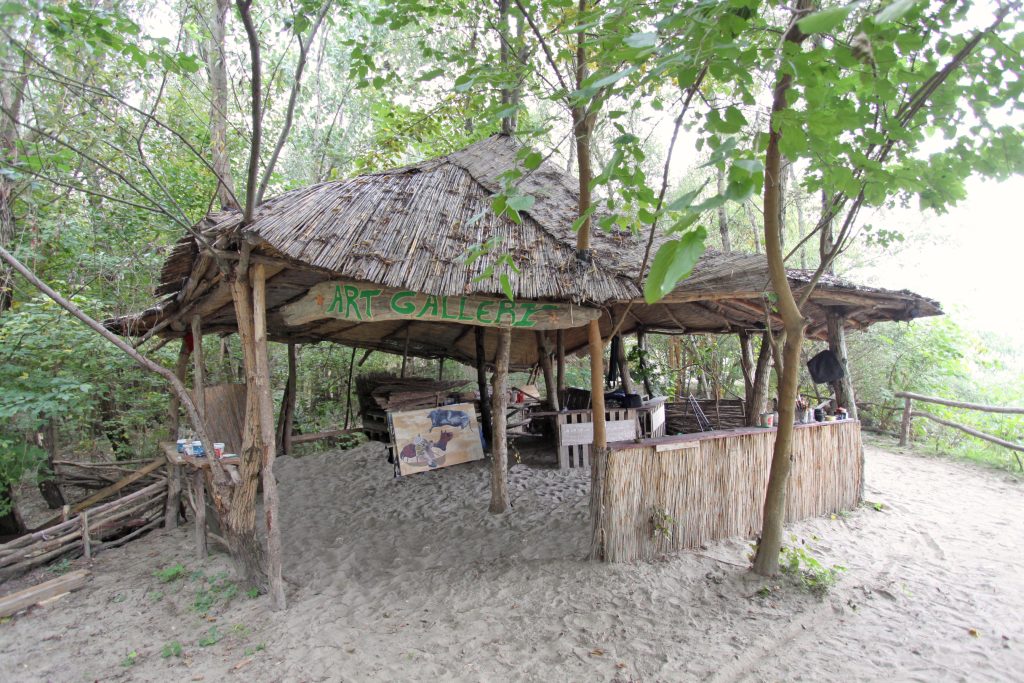
Gone with a River: Ephemeral Art

The Power of Collaboration: Creating Friendship Through Art

Behind the Canvas: A Wife’s Story
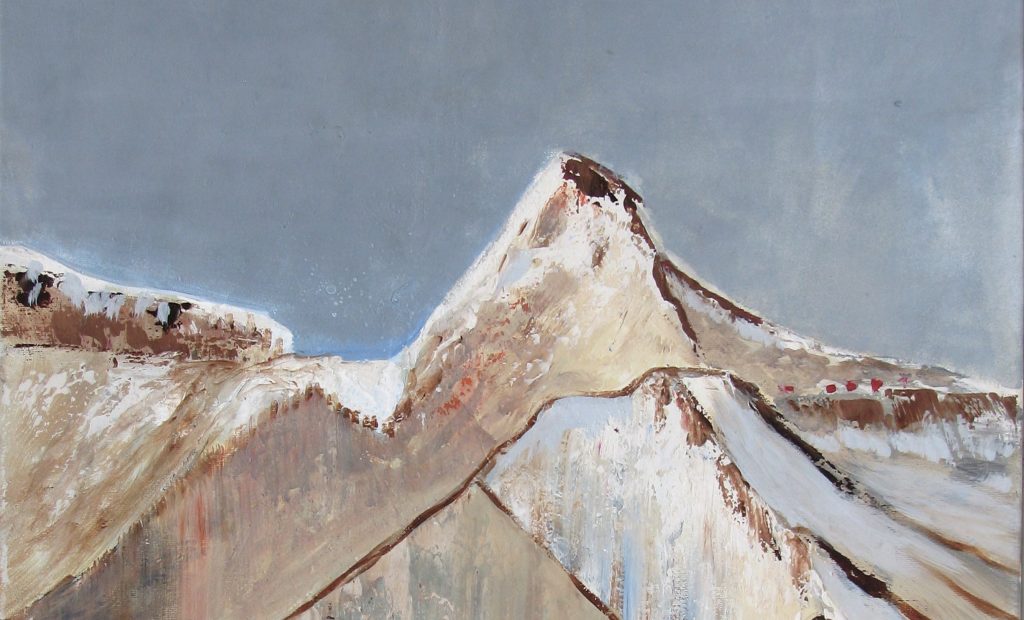
The Impassable Borders of My World

Civilón – The Bull who Loved to Eat Flowers

Love of Nature & Embracing its Resilience

My Journey Begins – A Path Shaped by Choice or Chance

The ubreakable bond between people, art and nature

Summer Home on the Danube
