Exploring the Artistic Journey of “Casual Cruelty”: A Reflection on Art and Social Commentary

Art possesses a unique ability to evoke deep emotions, provoke thought, and spark conversations about society’s most pressing issues. Painting “Casual Cruelty,” from the “Civilón – The Bull Who Ate Flowers” series, serves as a powerful example of this artistic potential. This piece reflects on the harsh realities faced by animals and draws inspiration from the impactful works of other artists, notably Banksy. In this blog post, I’ll explore the narrative and inspiration behind “Casual Cruelty,” delve into its connections with Banksy’s iconic pieces, and reflect on the broader messages conveyed through this powerful artwork.
The Story Behind "Casual Cruelty"
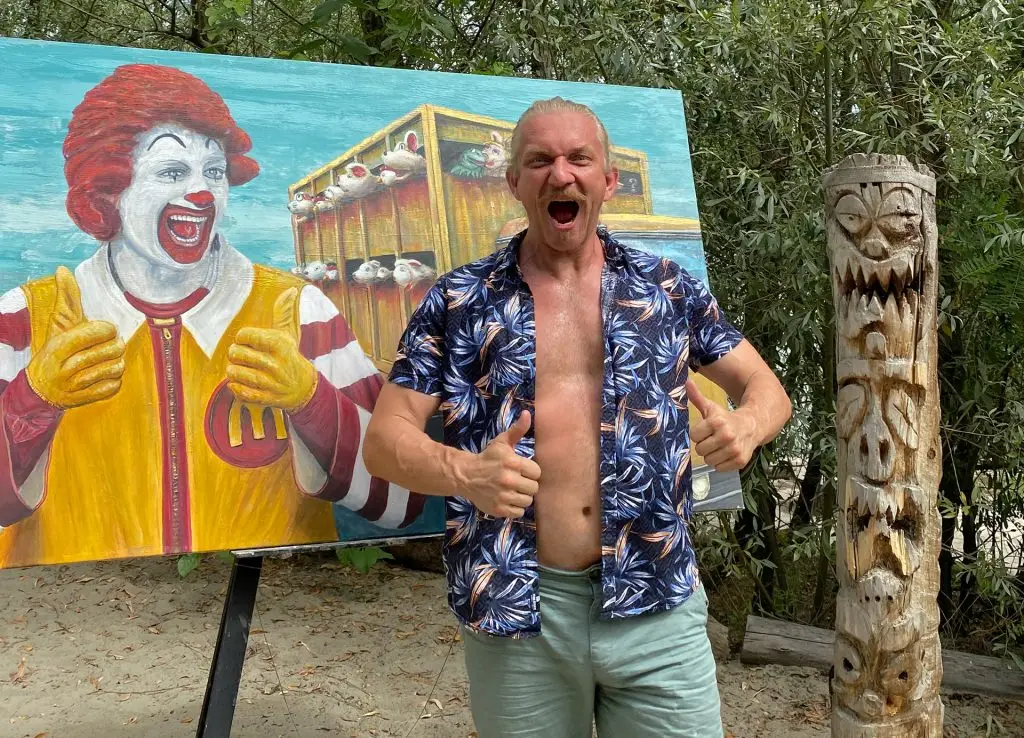
“Casual Cruelty” presents a surreal and haunting scene where childhood innocence meets stark reality. The painting features a disturbing image of a clown, resembling Ronald McDonald, laughing maniacally in the foreground. Behind him, a whimsical truck carries curious animals and cartoon characters, seemingly blissful yet ignorant of their grim destination. This juxtaposition of fantasy and brutality echoes the chilling message found in Banksy’s “Sirens of the Lambs.”
The narrative of “Casual Cruelty” delves into the contrasting lives of animals bred for different purposes. Bulls raised for bullfighting, known as “toro de lidia,” experience a life of relative freedom until their ultimate fate in the arena. In stark contrast, bulls bred for human consumption live a harsh existence, chained in barns, seldom seeing the sky or feeling the grass. Their final journey to the slaughterhouse is marked by a tragic irony—they experience the open sky and green fields for the first time during their last moments.
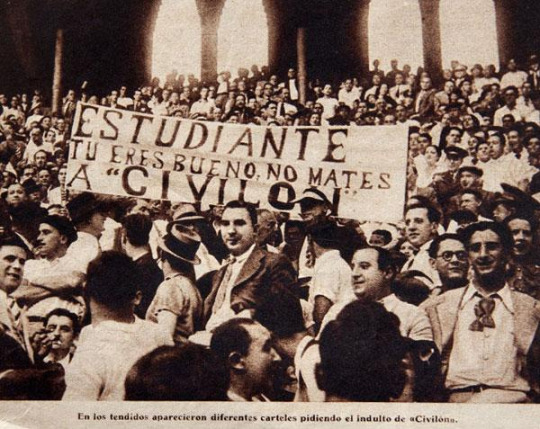
Through this painting, I aim to highlight the grim fate awaiting these creatures and draw parallels with the stories of Ferdinand, the gentle bull who preferred flowers over fighting, and Civilón, whose remarkable life was marked by public adoration and a tragic end. The vibrant yellows and reds set against a serene turquoise backdrop amplify the emotional intensity and the disturbing juxtaposition of innocence and cruelty.
Banksy's Influence
"Sirens of the Lambs" and the Inspiration for "Casual Cruelty"
Banksy, the elusive and provocative street artist, has created numerous works that challenge societal norms and critique various aspects of modern life. His art, known for its powerful social commentary and subversive humor, has profoundly influenced my own artistic vision. One of Banksy`s pieces, “Sirens of the Lambs,” features a truck filled with stuffed animals being driven around the streets of New York City. The animals, appearing frightened and bewildered, peer out from the truck’s compartments, evoking a strong emotional response from onlookers.
“Sirens of the Lambs” serves as a poignant commentary on the meat industry and the often-overlooked suffering of animals destined for slaughter. By placing these stuffed animals in a context that resembles transportation to a slaughterhouse, Banksy forces viewers to confront the harsh realities behind the meat they consume. The piece is a powerful critique of consumer culture and the casual cruelty inflicted on animals for the sake of convenience and profit.
In “Casual Cruelty,” I draw inspiration from one more Banksy’s work, “Napalm“, using a similar motif of a truck carrying innocent creatures to their doom. The inclusion of familiar cartoon characters and the Ronald McDonald figure adds a layer of surrealism and dark humor, making the viewer question the innocence of these symbols and their role in perpetuating consumerism and animal cruelty. A question mark on the truck signifies the uncertainty of who is next, adding to the haunting message of inevitable fate.


The Social Critique of Ronald McDonald in "Casual Cruelty"
The choice of Ronald McDonald as a central figure in “Casual Cruelty” is both deliberate and impactful. Ronald McDonald, the iconic mascot of the global fast-food chain McDonald’s, is a symbol of childhood joy and innocence. However, in this painting, he is depicted in a grotesque and disturbing manner, his laughter echoing through the canvas as he gives a thumbs-up with both hands.
This portrayal of Ronald McDonald serves as a poignant critique of the fast-food industry and its role in promoting unhealthy eating habits while often contributing to animal suffering. The cheerful clown, often associated with happy meals and fun, is transformed into a sinister figure, highlighting the dark side of the industry he represents.
Banksy, a renowned street artist known for his powerful social commentary, has also utilized Ronald McDonald in his works to convey profound messages. In one of his pieces, Ronald McDonald and Mickey Mouse are depicted holding hands with a terrified young Vietnamese girl, a reference to the famous photograph of Kim Phuc running from a napalm attack during the Vietnam War. This juxtaposition of beloved childhood characters with the horrors of war underscores the hypocrisy and moral ambiguities that exist within society.
By incorporating Ronald McDonald into “Casual Cruelty,” I align with Banksy’s approach, using familiar symbols to challenge viewers’ perceptions and provoke thought about the underlying issues. The painting becomes a powerful vehicle for social critique, questioning the impact of consumer culture on both humans and animals.
Reflecting on Media Influence
The Pepé Le Pew Controversy and Beyond
The recent controversy surrounding the animated character Pepé Le Pew sparked a significant debate on media influence and the portrayal of characters in popular culture. When the character was removed from the upcoming “Space Jam” sequel due to concerns about potentially promoting negative stereotypes and normalizing inappropriate behavior, it ignited a lively discussion on social media and in the mainstream media. This debate underscored the critical role that media plays in shaping our perceptions and influencing societal norms and values, highlighting the importance of careful consideration of the messages conveyed through popular culture.
This discussion extended beyond Pepé Le Pew, with some users calling for the “cancellation” of Miss Piggy from “The Muppets,” arguing that her behavior towards Kermit the Frog also perpetuates negative social behaviors. These debates demonstrate the ongoing conversation about the portrayal of characters in media and the potential impact of these portrayals on societal attitudes and behaviors.
In “Casual Cruelty,” the use of familiar and beloved characters like Ronald McDonald and cartoon animals serves to question their roles in shaping our perceptions and behaviors. The painting challenges viewers to reconsider the impact these characters have on our understanding of the world and encourages a critical examination of the messages conveyed through popular media.


"Casual Cruelty": A Reflection on Cruelty, Compassion, and Media
“Casual Cruelty” delves deep into the poignant themes of cruelty, compassion, and the profound influence of media on our perceptions. The painting serves as a stark reminder of the suffering endured by animals, often hidden from public view. It calls for greater awareness and compassion, urging viewers to reflect on their choices and the consequences of their actions.
The inclusion of cartoon characters and the whimsical truck within the artwork effectively highlights the role of media in shaping public perception. Just as Banksy’s works utilize powerful imagery to convey strong social messages, “Casual Cruelty” employs familiar symbols to draw attention to uncomfortable truths and challenge viewers to look beyond the surface and consider the deeper implications of their consumption habits.
From Inspiration to Creation
The Journey of "Casual Cruelty"
As an emerging artist, my journey has been deeply influenced by personal experiences and reflections on life, death, and the treatment of animals. Growing up in regions affected by war, I witnessed firsthand the brutal realities of violence and the profound impact it has on both humans and animals. These experiences have profoundly shaped my artistic vision, inspiring me to create works that challenge viewers to reflect on the ethical and moral implications of our actions.
“Casual Cruelty” is a culmination of this artistic journey, where I seek to evoke a disturbing yet thought-provoking feeling of blood and contrast, challenging viewers to confront the stark realities of animal cruelty. Through this painting, I aim to spark a conversation about fate, mortality, and the treatment of animals, inviting viewers to explore the profound narrative of life, death, and the haunting silence that follows.
A Final Reflection
The Power of Art to Inspire Change
“Casual Cruelty” is more than just a visual representation; it is a powerful commentary on the casual cruelty inflicted on animals and the broader societal implications of our actions. By drawing inspiration from the works of artists like Banksy and incorporating familiar symbols like Ronald McDonald, the painting challenges viewers to reflect on their choices and the impact of consumer culture on both humans and animals.
As you explore “Casual Cruelty,” I invite you to consider the deeper meanings behind the artwork and the narratives that shape our understanding of cruelty, compassion, and media influence. This painting is a testament to the power of art to evoke deep emotions, provoke meaningful conversations, and ultimately inspire positive change in our world. Through this work, I hope to spark a dialogue about the ethical and moral implications of our actions and encourage a greater sense of compassion and awareness in our everyday lives.