



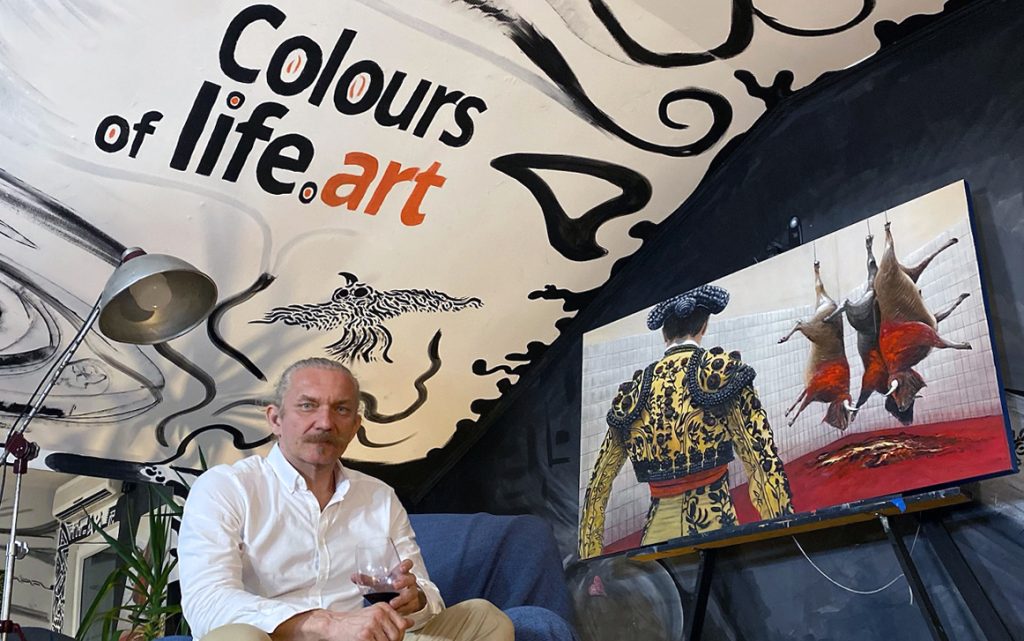
Bullfighting Symbolism in Paintings: Civilón and Hemingway
Few subjects in art carry as much raw emotion and cultural weight as bullfighting symbolism in paintings. Ernest Hemingway’s Death in the Afternoon immortalized the Spanish corrida in literature, while the series Civilon captures its visceral drama on canvas. This article explores the artist’s journey initially inspired by the Ferdinand story, culminating in the creation of the “Civilón” series. Every painting offers
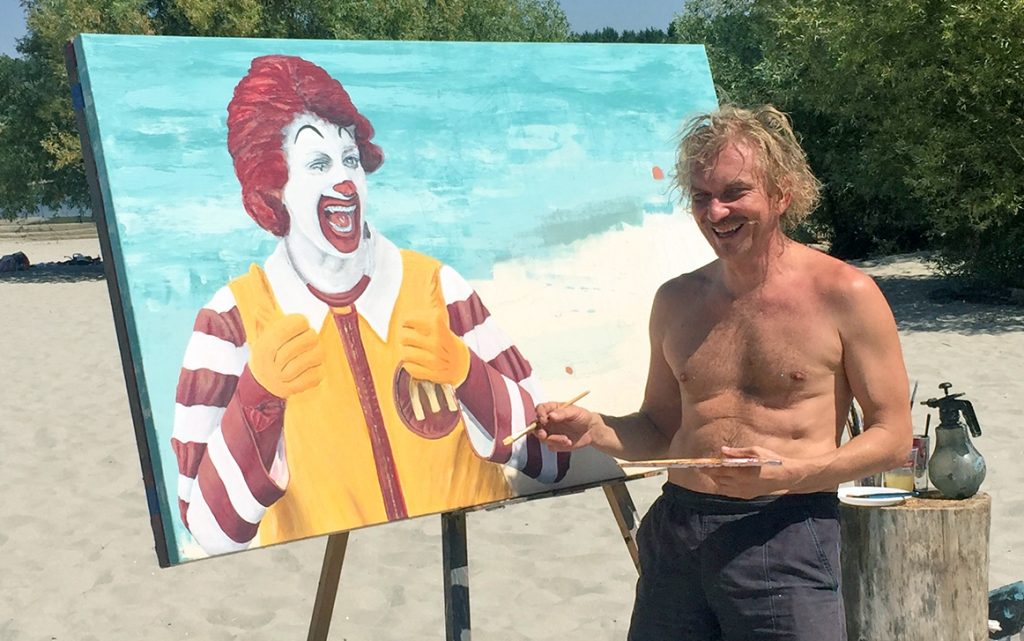
Exploring the Artistic Journey of “Casual Cruelty”: A Reflection on Art and Social Commentary
Art possesses a unique ability to evoke deep emotions, provoke thought, and spark conversations about society’s most pressing issues. Painting “Casual Cruelty,” from the “Civilón – The Bull Who Ate Flowers” series, serves as a powerful example of this artistic potential. This piece reflects on the harsh realities faced by animals and draws inspiration from the impactful works of other
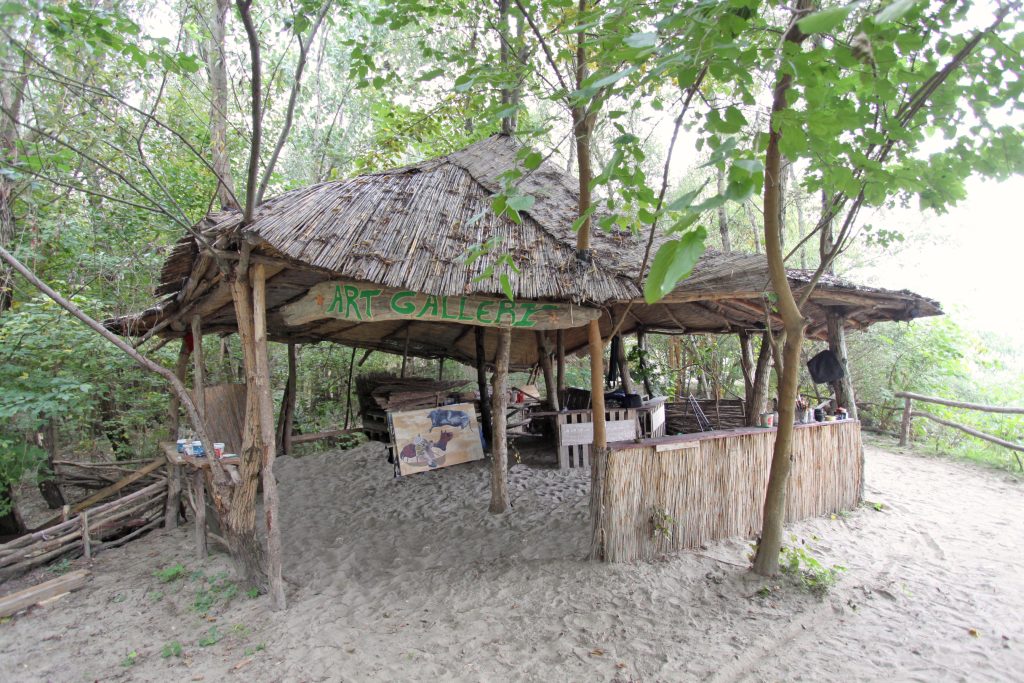
Gone with a River: Ephemeral Art
“The abandoned art gallery, transformed into my ephemeral art atelier, became a symbol of both creativity and impermanence. Nestled among the trees on Karlovačka Ada, this space changed everything. Island atelier, built on sand, surrounded by trees, and kissed by the river’s breeze, stood as a testament to the creativity and impermanence that defined my journey. But just as the

Behind the Canvas: A Wife’s Story
“Behind the canvas of my husband’s artistic journey lies a story of passion, dedication, and transformation. Art is meant to speak to your soul. When you buy a piece of art from an artist, you’re not just buying a beautiful object. You’re buying hundreds of hours of dedicated work, including failures and experimentation You’re buying days, weeks, and months of
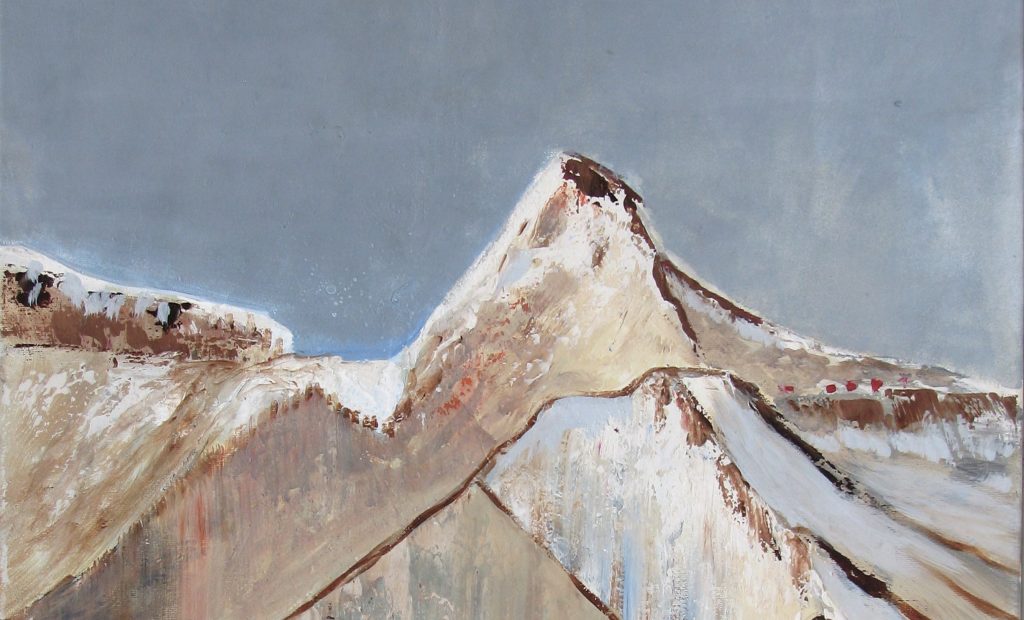
The Impassable Borders of My World
Art starts somewhere, right? For me, mountains set the stage. While my transformative artistic journey started in the summer of 2020, the love of art and nature seemed to have always been there. Growing up in Lika, Croatia, my childhood revolved around towering presence of mountains. Mountains of My Childhood Mountains inspired me to create series of paintings “Journey to

Civilón – The Bull who Loved to Eat Flowers
“Bullfighting is the only art in which the artist is in danger of death and in which the degree of brilliance in the performance is left to the fighter’s honor.” (E. Hemingway) The Artist’s Journey From Ferdinand to Civilón This blog post explores the artistic journey of an emerging artist inspired by the true story of Civilón, the real-life bull

Love of Nature & Embracing its Resilience
Ever since childhood, my love for nature has remained an unwavering part of who I am. Unlike my childhood that was marked by the towering presence of the mountains, my teenage and student years revolved around completely different natural settings in Serbia, where I moved in 1991. Summers on Danube As a teenager, I started camping on Danube with friends.

My Journey Begins – A Path Shaped by Choice or Chance
The life-changing moment that brought me where I am today occurred during the Covid-19 pandemic. I had left Dubai and my construction business just before the pandemic broke and was taking a break in Serbia, planning to move on to Africa after a while to pursue a construction business there. However, life had different plans for me. The borders were

The ubreakable bond between people, art and nature
Years ago, amidst the vibrant cityscape of Abu Dhabi, I encountered a force of nature named Dolores Al Shelleh. Her energy and quick wit were captivating and we instantly connected. We’ve become very good friends since. Her spirit astounds me to this day for she embodies that rare breed of individuals who exude an electrifying presence, breaking free from the

Summer Home on the Danube
A Life on the River For over two decades, August has been synonymous with the Danube and it has been my summer home – a time of simple pleasures and boundless freedom. This journey began decades ago, during my final year of secondary school, when a small group of friends and I established our summer camp along the riverbank, just

The Power of Research: Creating Paintings of the Bull Civilón
“The journey of artistic transformation began with a simple decision: to dedicate myself to the creation of art. This exploration led me to the story of Civilón, a bull whose fate became a poignant symbol of the war’s tragic consequences.” Every Journey Begins with a Decision Every journey, including the creation of the series of paintings “Civilón – The Bull

The Artistic and Cultural Debate Surrounding Bullfighting
The debate about whether bullfighting is an art form or a brutal sport is complex and multifaceted. Several paintings from series of paintings “Civilion” portrays a delicate balance between a ballerina and a matador, blending grace and strength. Paintings serves as a visual exploration of this controversy. The ballerina symbolizes the bull, her movements embodying grace and power. Her elegance